Emergency Shut-Off Valve Installation in Lakewood, CA
A burst pipe is bad. A burst pipe you can't shut off is a flood. We install accessible, easy-turn main shut-off valves, so one motion stops the water before the damage spreads.
Why Every Home Needs a Working Shut-Off Valve
We see the aftermath of burst pipes every week. The homes with the least damage all have one thing in common: somebody shut the water off fast.
A broken supply line can release many gallons per minute, enough to soak drywall, swell cabinets, and buckle flooring in the time it takes to find a wrench and figure out which valve does what. Every minute of confusion is water spreading further into the structure. The difference between a mopped-up mess and a full water-damage restoration often comes down to how quickly the water stopped.
And yet most homes we visit have a shut-off problem. The main valve is buried behind storage in the garage, or it's an original 1950s gate valve frozen solid from decades of disuse, or nobody in the household even knows where it is. A valve you can't reach, can't turn, or can't find is not a valve, it's decoration.
That's what this service fixes. We install a modern quarter-turn ball valve on your main water line, in a spot that's easy to reach, and we label it so anyone in the house, including a teenager home alone or a visiting relative, can shut the water off in seconds. It's one of the smallest plumbing jobs we do, and pound for pound, one of the most valuable.
Seeing water where it shouldn't be? Call and describe what you're seeing — we’ll tell you the safest next step.
Call (562) 245-5416Ball Valves vs. Gate Valves: What We Install and Why
Not all shut-off valves are equal. In an emergency, the design of the valve decides whether the water stops or the handle snaps off in your hand.
Ball valves: our standard
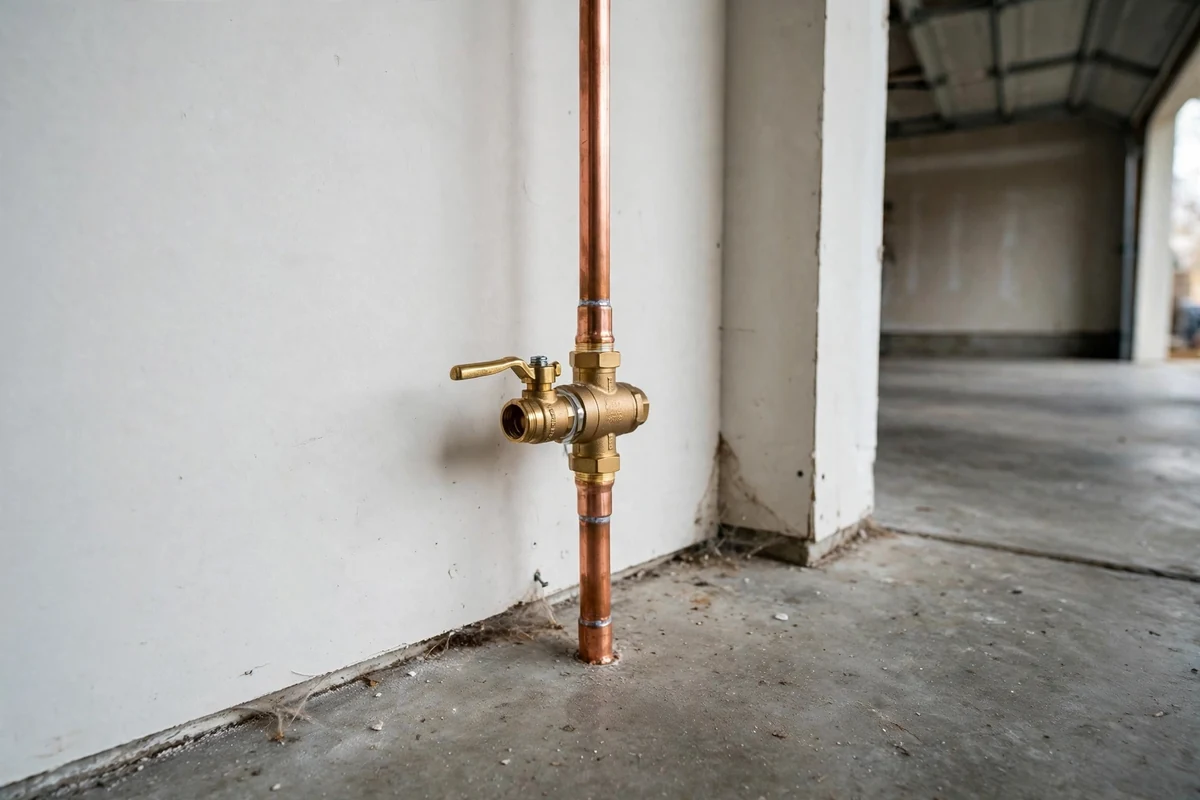
A lever handle, a quarter turn, and the water is off, full stop. The handle position shows the valve's state at a glance: parallel to the pipe means open, perpendicular means closed. Ball valves rarely seize because the design has little to corrode in place, and they seal tight even after years without use. This is what we install for emergency shut-offs.
Gate valves: the old guard
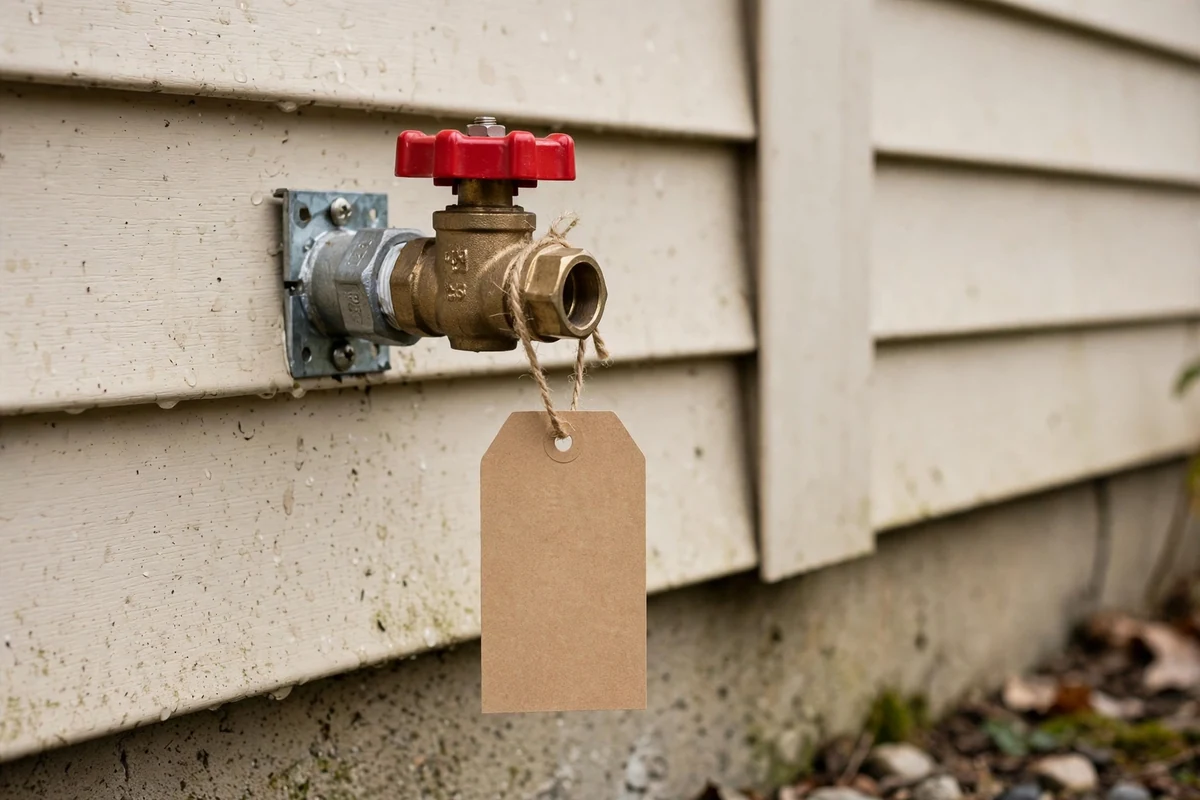
The round red wheel on many 1950s homes. It takes many turns to close, the internal gate corrodes into its seat from disuse, and forcing a stuck one is how stems snap and leaks start at the packing nut. If your main valve is an original gate valve, assume it won't turn when you need it, because that's exactly when these fail.
Fixture stops: the second layer
Small quarter-turn valves under sinks and behind toilets that isolate one fixture. A leaking toilet supply line shouldn't mean killing water to the whole house, close the fixture stop, and the rest of the home carries on while you wait for the repair.
When we install a main shut-off, we test every existing fixture stop in the house and replace the ones that are frozen or weeping. It's inexpensive insurance, and it means the next small leak stays small. Pair the job with a water pressure regulator installation if your pressure runs high, the two work best together, and we install the regulator right beside the new main valve.
Where Shut-Off Valves Should Be in Your Home
One valve is the minimum. A well-protected home has a small family of them, each in a sensible place.
Main shut-off
On the water line where it enters the house, garage wall, water heater closet, or crawlspace entry. This is the one that stops everything. It must be reachable without moving heavy storage.
Water heater
A dedicated valve on the cold inlet lets you isolate the heater for service without draining the house lines. Most original installations never had one, we add it.
Toilets and sinks
Quarter-turn stops at each fixture mean a running toilet or a leaking supply line gets contained in seconds, and the rest of the house keeps its water.
Outdoor hose bibs
An interior shut-off for exterior bibs lets you isolate a cracked bib or a burst garden hose connection without affecting indoor water, handy during repairs.
What Happens During Installation
Short, tidy, and scheduled at your convenience, this is preventive work, so there's no reason to rush it or live with a mess.
We locate and assess
We find your current main valve, check whether it actually turns and seals, and pick the best spot for the new valve, accessible, visible, and upstream of everything it needs to protect.
We cut in the new valve
Water off, old valve out, new full-port ball valve in with proper unions so it can be serviced later without cutting pipe. Fixture stops get swapped at the same time if they're frozen.
We test and label
The new valve is cycled open and closed, every fixture is run to confirm full flow returns, and each valve gets a clear tag. We show you, and anyone home, exactly how it works.
We walk you through the drill
Before we leave, we rehearse it once: leak spotted, walk to the valve, quarter turn, done. It takes ten seconds to learn and it can save your home. Stick the habit in the household, everybody old enough to reach the valve should know.
Seeing water where it shouldn't be? Call and describe what you're seeing — we’ll tell you the safest next step.
Call (562) 245-5416Shut-Off Valve Questions
What homeowners ask about getting their water under control.
Where is my main water shut-off valve?
In most Lakewood-area homes it's where the water line enters the house, often in the garage, near the water heater, in a crawlspace, or in a covered box near the front of the property by the meter. If you don't know where yours is, call us and we'll help you find it, and label it while we're there.
What's the difference between a ball valve and a gate valve?
A ball valve uses a quarter-turn lever: on or off in one motion, and you can see at a glance whether it's open. A gate valve uses a round wheel that takes many turns and can seize up from disuse. For an emergency shut-off, the ball valve wins, it's faster, more reliable, and far less likely to stick when you need it most.
My main valve is old and hard to turn. Should I replace it now or wait?
Replace it now, while nothing is leaking. A valve that won't turn during an emergency is the same as having no valve at all. Swapping it proactively is a short, controlled job, forcing a seized valve during a burst pipe is how handles snap off and bad nights get worse.
Do I need shut-off valves at individual fixtures too?
It's smart to have them. Fixture stops under sinks and behind toilets let you isolate one problem fixture without killing water to the whole house. We install quarter-turn fixture stops alongside main valves whenever the existing ones are missing, corroded, or frozen.
How long does a shut-off valve installation take?
A main shut-off valve replacement typically takes one to two hours. The water is off during the work, so we schedule it at your convenience and test every fixture before we leave. Fixture stops add a short amount of time each.
What should I do if a pipe bursts before I get a working shut-off installed?
Call us immediately at (562) 245-5416, burst calls go first. If you can find the valve at the street meter box, a meter key or adjustable wrench will turn it off. We'll talk you through it on the phone while the technician is on the way.
Know where your valve is before you need it. Get a working, labeled main shut-off installed now, so the next leak is a story, not a disaster.
Call (562) 245-5416Contact Lakewood Pipe Rescue
Reach out any time, a real person answers and gets help moving.
Call
(562) 245-5416
Emergency line, call any time.
Visit
4400 Ladoga Ave
Lakewood, CA 90713, USA
[email protected]
We reply within one business day.
Prefer to talk it through?
Call and tell us about your current main valve, where it is, whether it turns, how old it looks. We'll tell you the safest next step before anyone rolls a truck.
Sources & Further Reading
Official references behind the facts on this page.
- U.S. Environmental Protection Agency, drinking water system and shut-off guidance for homeowners.
- City of Lakewood, CA, local permits for plumbing modifications.
Links open official sources in a new tab. We re-check them yearly.